
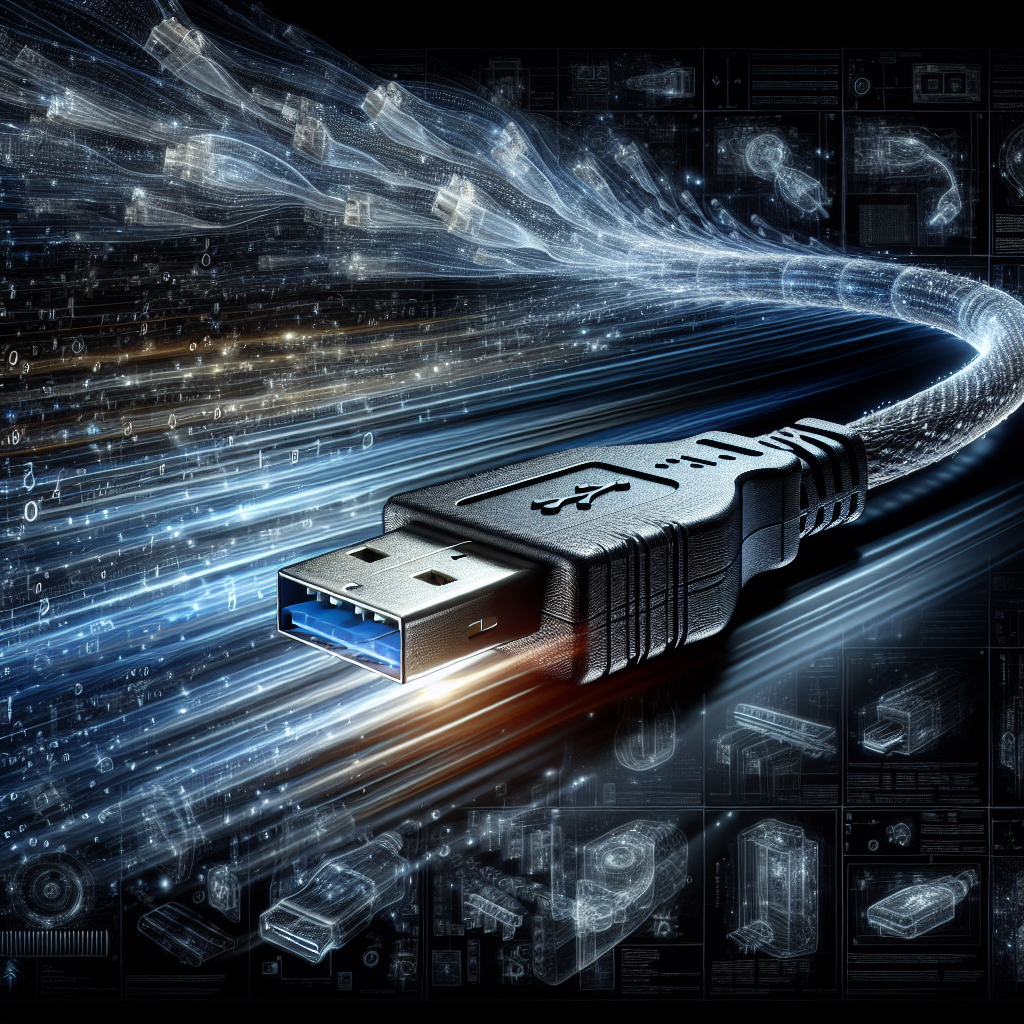
So, you’ve just gotten your hands on a brand new laptop, and now you’re looking to maximize its potential for lightning-fast data transfers. We’ve got you covered. In this article, we’ll explore a range of techniques that will help you optimize your laptop’s performance, ensuring seamless and speedy data transfers. Whether you’re transferring large files, streaming high-definition videos, or gaming online, these tips and tricks will take your laptop’s data transfer capabilities to the next level. Say goodbye to sluggish transfer speeds and hello to a faster, more efficient experience.
Understanding Data Transfer Speed
When it comes to data transfer, speed is of utmost importance. Whether you’re transferring files between devices or streaming videos, a fast data transfer speed can greatly enhance your overall experience. But how exactly can you optimize your laptop for high-speed data transfers? In this article, we will explore various techniques and strategies to help you achieve faster data transfer speeds.
Need for high-speed data transfer
Before we dive into the optimization techniques, let’s understand why high-speed data transfer is crucial. In today’s fast-paced world, we rely heavily on our laptops to handle large amounts of data. Whether it’s for work, multimedia, or gaming, faster data transfer speeds not only save time but also improve productivity and overall user experience. Whether you’re transferring large files, streaming high-definition videos, or engaging in online gaming, a faster data transfer speed ensures smooth and uninterrupted performance.
Factors affecting data transfer speed
Several factors come into play when determining the data transfer speed of your laptop. Understanding these factors is crucial in optimizing your laptop for high-speed data transfers. First and foremost, the capability of your laptop’s hardware, particularly the processor and RAM, plays a significant role. Additionally, the speed and efficiency of your network connection, the operating system, and the software you use can also affect data transfer speeds. By identifying and addressing these factors, you can significantly enhance your laptop’s data transfer performance.
Misconceptions about transfer speed
Before we proceed, it’s important to clear up some common misconceptions about data transfer speed. Many people believe that simply upgrading their internet connection will automatically result in faster data transfers. While a better internet connection can certainly improve speed for online activities, it won’t necessarily enhance the speed of transferring files between devices. Data transfer speed is influenced by various factors, as mentioned earlier, and upgrading your internet connection alone may not yield the desired results. Therefore, it is important to implement the optimization techniques we will discuss to achieve faster data transfer speeds.
Optimizing the Operating System
The operating system (OS) is the heart of your laptop, and optimizing it is crucial for achieving faster data transfer speeds. Here are some techniques to help you optimize your laptop’s OS:
Using the latest OS version
Keeping your operating system up to date is essential for optimal performance. Operating system updates often include bug fixes, security enhancements, and improved performance, including better data transfer speeds. Make sure to regularly check for updates and install the latest version of your operating system.
Disabling unnecessary startup apps
When your laptop starts up, multiple applications may also start simultaneously, consuming valuable system resources. This can slow down data transfer speeds. To optimize your laptop, disable unnecessary startup apps that you don’t immediately need. This can usually be done through the Task Manager or System Configuration settings.
Regularly updating the software
Software updates not only provide new features but also address performance issues. It is crucial to regularly update the software applications on your laptop to ensure optimal data transfer speeds. Developers often release updates that improve data transfer efficiency, so keeping your software up to date is vital.
Cleaning up the hard drive
Over time, your hard drive can become cluttered with unnecessary files, causing it to slow down. Performing regular disk cleanup can help optimize your laptop’s performance. Remove temporary files, clear cache, and delete files you no longer need. This will free up valuable space and enhance your laptop’s data transfer capabilities.
Increasing virtual memory
Virtual memory, also known as page file, is a space on your hard drive designated for memory overflow. By increasing the size of virtual memory, you can provide additional space for your laptop to handle data transfers more efficiently. Adjusting the virtual memory settings can be done through the System Properties settings in the Control Panel.
Hardware Modifications
To further optimize your laptop for high-speed data transfer, consider making hardware modifications. Upgrading certain components and using high-speed peripherals can significantly enhance data transfer speeds. Here are some hardware modifications to consider:
Upgrading the RAM
Random Access Memory (RAM) is responsible for temporarily storing and accessing data. Insufficient RAM can result in slower data transfer speeds. Upgrading your laptop’s RAM to a higher capacity or faster specification can improve data transfer performance. More RAM allows your laptop to handle larger files and multiple data transfers simultaneously.
Switching to SSD
Traditional hard disk drives (HDD) often have slower data transfer speeds compared to Solid State Drives (SSD). Upgrading from an HDD to an SSD can greatly improve data transfer performance. SSDs use flash memory instead of moving parts, enabling faster read and write speeds. Consider switching to an SSD for faster and more efficient data transfers.
Using a high-speed USB port
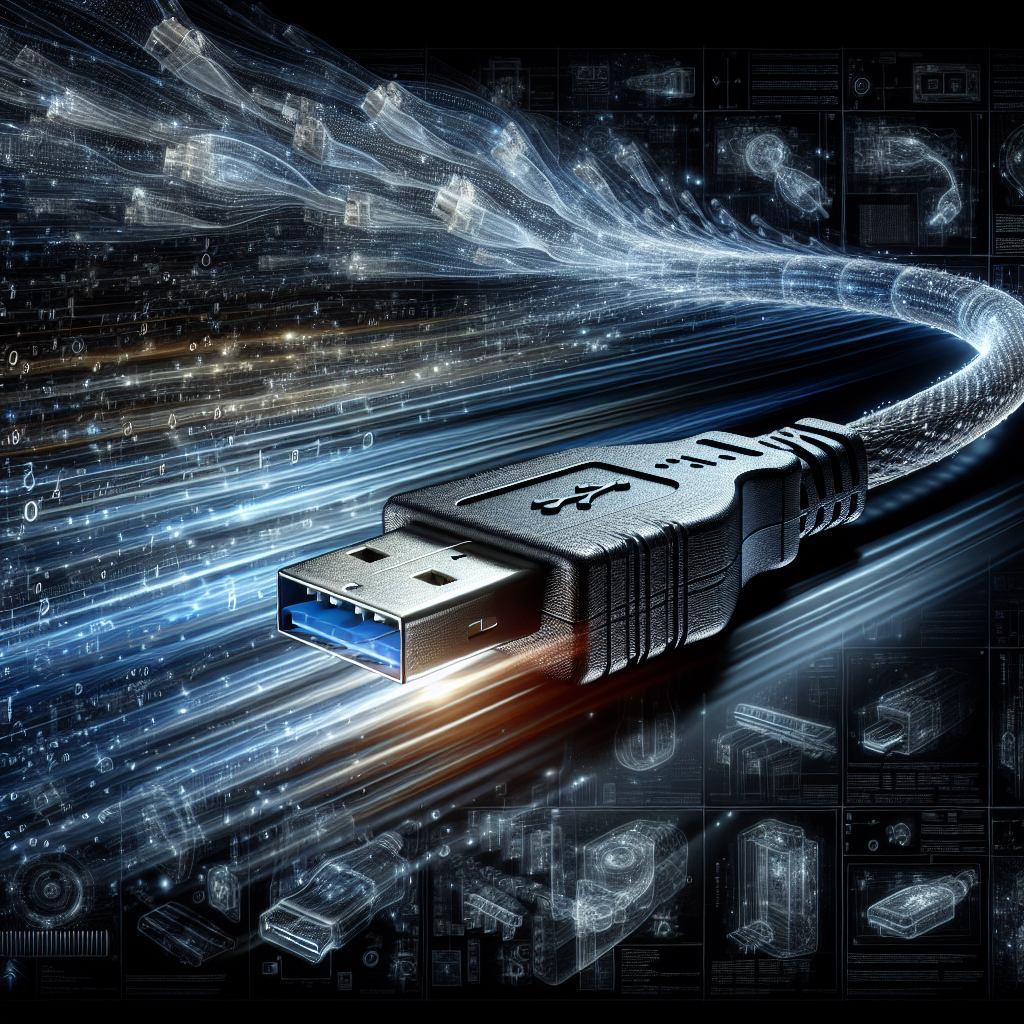
When transferring data via USB, the speed of the USB port can greatly affect transfer speeds. Ensure your laptop has at least one high-speed USB port, preferably USB 3.0 or higher, as it offers faster data transfer speeds compared to older USB versions. When connecting external devices, use the high-speed USB ports to maximize data transfer efficiency.
Enhancing the processor performance
The processor, or CPU, is responsible for executing tasks on your laptop. A fast and efficient processor can significantly enhance data transfer speeds. Consider upgrading to a more powerful processor if your current one is outdated or sluggish. A faster processor capability will improve overall system performance, including data transfer speeds.
Keeping the laptop clean and cool
Overheating can negatively impact your laptop’s performance, including data transfer speeds. Excessive heat can cause throttling and reduce the efficiency of your laptop’s components. Regularly clean the laptop’s vents and ensure proper airflow to prevent overheating. Utilize laptop cooling pads or external fans to maintain optimal operating temperatures.
Optimizing Network Settings
Apart from hardware and software optimizations, optimizing your network settings can also improve data transfer speeds. These techniques ensure that your laptop is utilizing network resources efficiently. Follow these strategies to optimize your laptop’s network settings:
Setting the correct MTU size
The Maximum Transmission Unit (MTU) is the largest data packet that can be transmitted through a network. Setting the correct MTU size can improve data transfer speeds. To determine the optimal MTU size for your network, you can use various tools or refer to your internet service provider’s recommended settings.
Disabling bandwidth-hogging apps
Certain applications running in the background may consume significant bandwidth, affecting data transfer speeds. Identify and disable any bandwidth-intensive applications or processes that are not essential. This can be done through the Task Manager or the settings of specific applications.
Modifying TCP/IP settings
TCP/IP (Transmission Control Protocol/Internet Protocol) settings can be adjusted to optimize data transfer speeds. By making adjustments, such as enabling Explicit Congestion Notification (ECN) or changing the Receive Window (RWIN) value, you can enhance the performance of your network connection. However, make sure to research and understand the potential impact of modifying TCP/IP settings before making any changes.
Using wired connection over WiFi
While WiFi provides convenience, a wired Ethernet connection often offers faster and more stable data transfer speeds. If possible, connect your laptop to the network using an Ethernet cable for optimal data transfer performance. This is particularly useful when transferring large files or engaging in bandwidth-intensive activities.
Using Efficient Data Transfer Tools
In addition to optimizing your laptop’s hardware and network settings, utilizing efficient data transfer tools can further enhance speed and efficiency. Here are some tools and techniques to consider:
Selecting an efficient file transfer protocol
The file transfer protocol you choose can impact data transfer speeds. Depending on your requirements and the type of data you are transferring, you can choose between various protocols such as FTP, SFTP, HTTP, or BitTorrent. Research the pros and cons of each protocol and select the most suitable one for your specific needs.
Using data transfer acceleration software
Data transfer acceleration software, often used for large file transfers, can significantly boost data transfer speeds. These tools utilize various techniques, such as data compression, to enhance transfer efficiency. Some popular examples include Aspera, FileCatalyst, and Tsunami UDP. Consider using data transfer acceleration software to expedite your data transfers.
Considering compressed data transfer
Compressing data before transferring it can reduce file sizes and increase data transfer speeds. Compressed files require less bandwidth and storage space, resulting in faster transfers. Utilize file compression software, such as WinRAR or 7-Zip, to compress your files before transferring them. However, ensure that the recipient can decompress and access the files at the other end.
Encrypting data for secure transfer
While the focus of this article is on optimizing data transfer speeds, it’s essential to prioritize data security as well. Encrypting your data ensures that it remains secure during transit. However, keep in mind that encryption can impact transfer speeds, as it adds an additional layer of processing. Balance the need for security with the desired transfer speed by using encryption protocols appropriate for your specific requirements.
Allocating Resources Efficiently
To achieve optimal data transfer speeds, it is crucial to allocate system resources efficiently. By managing your laptop’s resources effectively, you can dedicate more power to data transfer processes. Here are some techniques to achieve efficient resource allocation:
Allocating maximum resources to transfer process
When initiating data transfers, allocate the maximum available resources to the transfer process. Prioritize the transfer task over other applications or processes running on your laptop. By allocating more CPU power, memory, network bandwidth, and disk space to the data transfer process, you can expedite the transfer speed.
Closing unnecessary applications
When transferring data, close all unnecessary applications running in the background. These applications consume valuable system resources, which can slow down data transfers. Prioritize the transfer process by closing applications that are not essential to the transfer task. This ensures that the majority of system resources are available for data transfer operations.
Disabling heavy background processes
Certain background processes may consume significant system resources, impacting data transfer speeds. Identify and disable any heavy background processes that are not essential. This can be done through the Task Manager or the settings of specific applications. By minimizing resource-intensive background processes, you can maximize resources for data transfer operations.
Balancing system resource allocation
While allocating maximum resources to data transfer processes is beneficial, it’s also important to strike a balance. Avoid allocating all available resources solely to data transfers, as this may negatively impact the performance of other applications and processes. Maintain an optimal balance that ensures efficient data transfer speeds without compromising the overall performance of your laptop.
Keeping Device Drivers Updated
Device drivers play a crucial role in the performance of your laptop’s hardware components. Keeping your device drivers updated is vital for ensuring optimal data transfer speeds. Here’s what you need to know:
Understanding the role of device drivers
Device drivers act as a bridge between your operating system and the hardware components of your laptop. They enable communication and ensure proper functionality. Outdated or incompatible device drivers can hinder data transfer performance. By keeping your device drivers updated, you ensure that your hardware components are operating efficiently, thereby improving data transfer speeds.
Choosing the right source for driver updates
When updating device drivers, it is essential to choose a reliable source. Manufacturers’ websites are typically the best source for obtaining the latest, compatible driver updates. Avoid third-party sources, as they may offer outdated or incompatible drivers, which can cause compatibility issues or system instability. Prioritize using official websites or built-in driver update tools provided by manufacturers.
Automating driver updates
Manually updating device drivers can be tedious and time-consuming. To streamline the process, consider using driver update software that automates driver updates. These tools scan your laptop, identify outdated drivers, and install the latest versions with just a few clicks. This saves time and ensures that you are continuously benefiting from the latest driver optimizations, including improvements in data transfer speed.
Regularly scheduling driver checkups
Keeping your device drivers updated is an ongoing process. Regularly schedule driver checkups to ensure your laptop’s hardware components are always running on the latest versions. Set reminders or utilize driver update software that offers automated scans at specified intervals. By proactively maintaining up-to-date drivers, you can optimize your laptop for high-speed data transfers.
Disabling Power Saving Mode
Power Saving Mode is a feature found in most laptops that helps conserve energy by reducing power consumption. While this feature is beneficial for extending battery life, it can negatively impact data transfer speeds. Here’s what you need to know:
Understanding Power Save Mode
Power Saving Mode adjusts system settings, such as CPU performance and display brightness, to minimize power consumption. This can result in decreased performance and slower data transfer speeds. While Power Save Mode is useful for conserving energy during periods of inactivity, it is not ideal for data-intensive activities that require maximum system performance.
Disadvantages of Power Save Mode for data transfer
Power Save Mode often limits the maximum CPU performance, which affects data transfer speeds, particularly for large file transfers. It can also reduce network adapter performance and put limitations on system resources, resulting in slower transfers. If you are experiencing slow data transfer speeds, Power Save Mode could be the culprit.
How to disable Power Save Mode
To disable Power Save Mode, access the Power Settings in your laptop’s Control Panel or System Preferences. Adjust the power settings to a balanced or high-performance mode, depending on your laptop’s options. This will prioritize system performance over energy conservation, ensuring optimal data transfer speeds. Keep in mind that disabling Power Save Mode may result in increased power consumption.
Balancing power usage and optimal performance
While disabling Power Save Mode can improve data transfer speeds, it’s essential to strike a balance between power usage and optimal performance. If you primarily use your laptop on battery power, consider enabling Power Save Mode during periods of inactivity to conserve energy. When performing data transfers or engaging in activities that require higher performance, disable Power Save Mode to ensure maximum data transfer speeds.
Understanding and Avoiding Network Congestion
Network congestion can significantly impact data transfer speeds. Understanding the signs and effects of network congestion and implementing strategies to avoid it are crucial for optimal performance. Here’s what you need to know:
Identifying signs of network congestion
Signs of network congestion include slow data transfer speeds, high latency, frequent disconnects, and reduced overall network performance. If you experience these issues consistently while performing data transfers, it’s likely that network congestion is the culprit. Identifying these signs early on allows you to take appropriate actions to improve data transfer speeds.
Effects of network congestion on transfer speed
Network congestion occurs when the network’s capacity is exceeded, causing delays and packet loss. This leads to slower data transfer speeds and reduced overall network performance. When your laptop is connected to a congested network, data packets take longer to reach their destination, resulting in increased transfer times. Avoiding network congestion is key to achieving faster data transfer speeds.
Ways to avoid network congestion
To avoid network congestion, consider the following strategies:
- Schedule data transfers during off-peak hours when network traffic is typically lower.
- Prioritize essential data transfers by minimizing other network-intensive activities, such as video streaming or online gaming, during transfers.
- Optimize your network settings, as discussed earlier, to ensure efficient utilization of network resources.
- Use Quality of Service (QoS) settings on your router to prioritize data transfers over other network activities.
- Consider utilizing alternative network connections, such as wired Ethernet, for critical data transfers to bypass potential congestion on WiFi networks.
Utilizing network monitoring tools
Network monitoring tools can provide valuable insights into network performance, including identifying congestion points. These tools analyze network traffic, bandwidth usage, and other metrics to help you understand and address congestion issues. Use network monitoring software or built-in features provided by your router to identify areas of network congestion and troubleshoot accordingly.
Implementing Proper File Management
Efficient file management is crucial for high-speed data transfers. Proper organization, cleanup, and compression techniques can optimize data transfer speeds. Here’s what you need to consider:
Efficient file organization
Proper file organization simplifies data transfers and improves overall efficiency. Create a logical and intuitive folder structure to segregate different types of files. It’s also beneficial to organize files based on their sizes or time of creation, as this can help in prioritizing and streamlining transfers. By having a well-organized file system, you can easily access and transfer files, resulting in faster speeds.
Regular file cleanup
Regularly cleaning up your files helps maintain optimal data transfer speeds. Delete unnecessary files, such as temporary files or old backups, to free up disk space. This prevents storage devices from becoming cluttered and allows faster data transfers. Perform periodic file cleanup to ensure that you have enough space for smooth and efficient transfers.
Using file compression and decompression methods
File compression can reduce the size of files and accelerate data transfers. Utilize compression methods such as ZIP, RAR, or 7-Zip to compress files before transferring them. Compressed files require less bandwidth and storage space, resulting in faster transfers. However, ensure that the recipient can decompress and access the files at the other end.
Understanding the importance of file fragmentation
File fragmentation occurs when a file is stored in non-contiguous clusters on a storage device, resulting in slower data access. Defragmenting files or using a solid-state drive (SSD), which is not susceptible to fragmentation, can greatly improve data transfer speeds. Consider defragmenting your hard drive regularly or using an SSD to avoid the performance degradation caused by file fragmentation.
Implementing these proper file management techniques will enhance data transfer speeds and improve overall productivity when handling files on your laptop.
In conclusion, optimizing your laptop for high-speed data transfers involves a combination of various techniques. By understanding and addressing factors that affect data transfer speeds, optimizing your operating system, making hardware modifications, tweaking network settings, utilizing efficient data transfer tools, allocating resources efficiently, keeping device drivers updated, balancing power usage, avoiding network congestion, and implementing proper file management, you can achieve faster and more efficient data transfers. Implement these strategies to optimize your laptop for high-speed data transfers and enjoy improved productivity and an enhanced user experience.